Guides
How to document painting contractor service standards
How to document painting contractor service standards: one page per task, written as observable actions, owned by a named person and revised when a job goes wrong.
What to take away
- A standard is only useful if a painter can follow it on a ladder. One page per task, written as actions, is the format that survives contact with a job site.
- Write standards from what your best crew already does, not from an ideal nobody meets. Then raise them deliberately.
- Every standard needs an owner, a date, and a version. Undated documents get argued with instead of followed.
- Standards earn their keep in training and in disputes. Both uses require the same specific language.
What to document, in order of value
- Surface preparation, by substrate: previously painted drywall, bare drywall, previously painted wood, bare wood, masonry, metal.
- Protection and masking, by setting: occupied home, empty property, commercial premises during business hours.
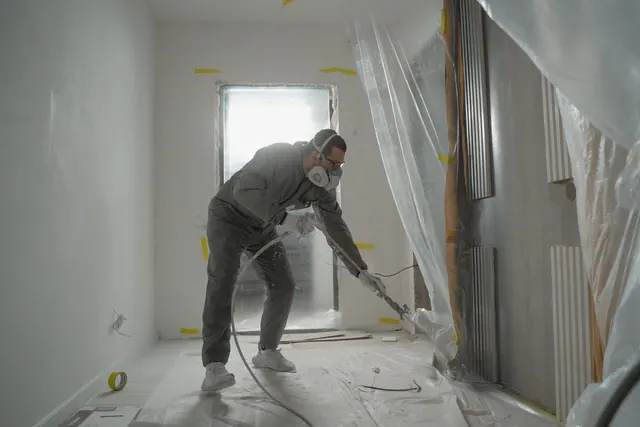
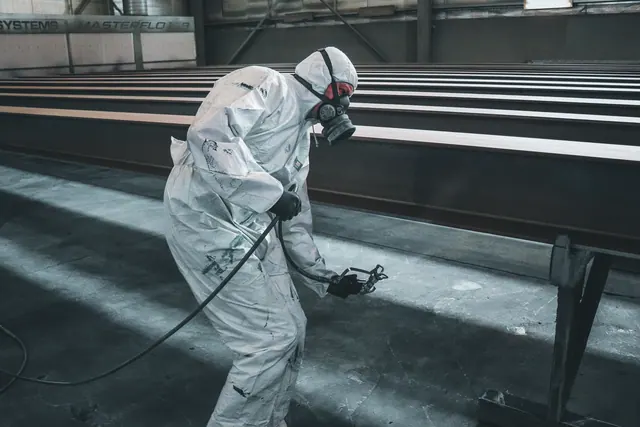
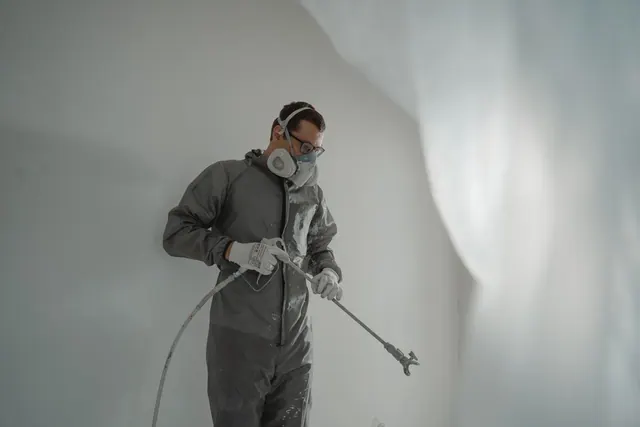
- Application, by method: brush and roller, airless spray, fine finish spray.
- Cleanup and reinstatement, including hardware, furniture, and site condition at the end of each day.
- Handover, including cure time advice and labeled touch-up material.
That order reflects where money is lost. Preparation and protection cause more callbacks and more damage claims than application does.
The format that works
Keep it to one page per task, in this shape.
- Task name and the substrate or setting it applies to.
- What "done" looks like, described so two people would agree whether it was reached.
- The steps, in order, with the tools and products named by type.
- The checks, and who performs them.
- What to do when the surface does not match the assumption, and who to call.
Avoid adjectives. "Sanded smooth" is an argument. "Sanded until no ridge is felt when a hand is drawn across the repair, and no shadow appears under a raking light" is a standard. The gate structure that these standards feed into is set out in the quality assurance checklist.
Writing from observation
Follow your best crew lead for two days and write down what they actually do, including the small habits: how they stage material, when they check the light, how they sequence a room. Read it back to them and correct it.
This produces standards that are achievable, which is what makes them enforceable. It also surfaces the disagreements between crews that were previously invisible, and those disagreements are usually where quality varies.
Some standards are not yours to set. Where paint is disturbed in older housing, the containment and cleanup practices in the EPA renovation, repair and painting program for contractors define the method, and your document should reference them rather than paraphrase them loosely.
Ownership, versions, and revision
| Element | What it looks like in practice |
|---|---|
| Owner | One named person per standard, usually the lead who works to it most |
| Version and date | On every page, changed whenever the content changes |
| Trigger for revision | A callback, a near miss, a new product, a new service family |
| Review cycle | Once a season, in the slow month, not in the busy one |
| Distribution | On a phone, in the truck, and on the shop wall for the common ones |
The revision trigger is the important row. A standard that changes after every callback becomes the company's memory. A standard that never changes becomes wallpaper.
Using standards for training and for pricing
In training, standards give a new painter something to be measured against on day one, which is fairer than correction by opinion. They also tell you what a helper cannot yet do, which is what shapes crew composition.
In pricing, standards make estimating consistent. A defined prep standard has a defined time, and the estimate model in the service quality guide for owners depends on that consistency. Where the standard requires particular tools, such as dust extraction or a moisture meter, the equipment and setup guide and the equipment checklist for new owners explain why those items sit on the truck rather than in a wish list.
Standards and what you say publicly
What your standards promise, your marketing must match. If a page describes a preparation process, the crews have to run it, because a published description is a claim. The FTC guidance on soliciting and paying for online reviews covers the related point about feedback: ask for it the same way from everyone and never shape it.
Keep the documents with the job records rather than in a separate folder nobody opens. Job files, timesheets, and the standard in force at the time make a coherent record, which is the same discipline the IRS guidance on business records describes for the financial side. For a company documenting its first process, the order in how to start a painting contractor business puts scope discipline ahead of everything else.
Common questions
How many standards does a small painting company need?
Fewer than you think. Six to ten one-page documents cover the work most residential painting companies do. Adding a service family adds one or two more.
Who writes them, the owner or the crew?
The owner drafts from watching the crew, then the crew corrects. Standards written alone in an office describe a company that does not exist.
What if a painter disagrees with a standard?
Hear it, because they are on the wall and you are not. Then either change the standard or explain why it stands. What you cannot do is leave the disagreement unresolved, because the standard stops being real the moment it is optional.
Do customers ever see these documents?
Rarely in full, and there is no reason to hide them. Quoting a preparation standard in an estimate is one of the clearest ways to show why your price differs from a cheaper one.